
Development of Interpretive Signage for the Rural Villages of Cabo Verde
Sustainable DevelopmentFollowing the Tourism and Environmental Enhancement Programme of the Rural Villages of Cabo Verde, an integrated model of interpretive and directional tourist signage was developed to improve the visitor experience, make it easier to find one's way around the territory and promote the natural, cultural and community heritage of the villages covered by the programme.
The Opportunity
The development of the Rural Villages tourist routes showed the need for interpretation and orientation mechanisms that could improve the tourism experience and strengthen the appreciation of local cultural resources and traditions.
In this context, a network of sustainable signage is an opportunity to structure the villages’ tourism offer, make it easier to discover the main points of interest and promote greater integration between natural heritage, local culture, walking trails and tourism experiences.
Our Approach
The intervention was based on developing an integrated tourist signage model adapted to the characteristics of the rural villages of Cabo Verde, combining orientation, heritage interpretation and environmental awareness.
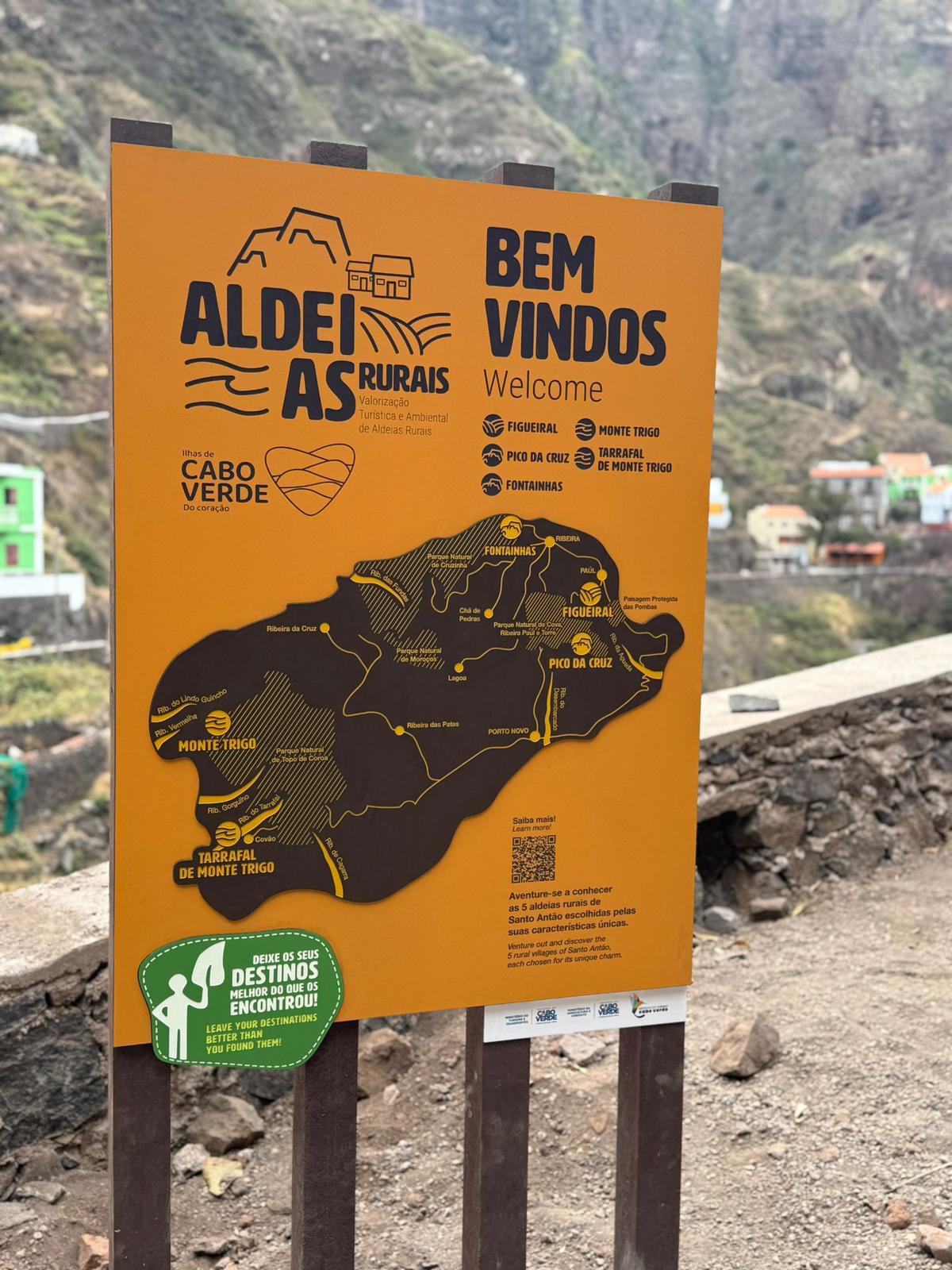
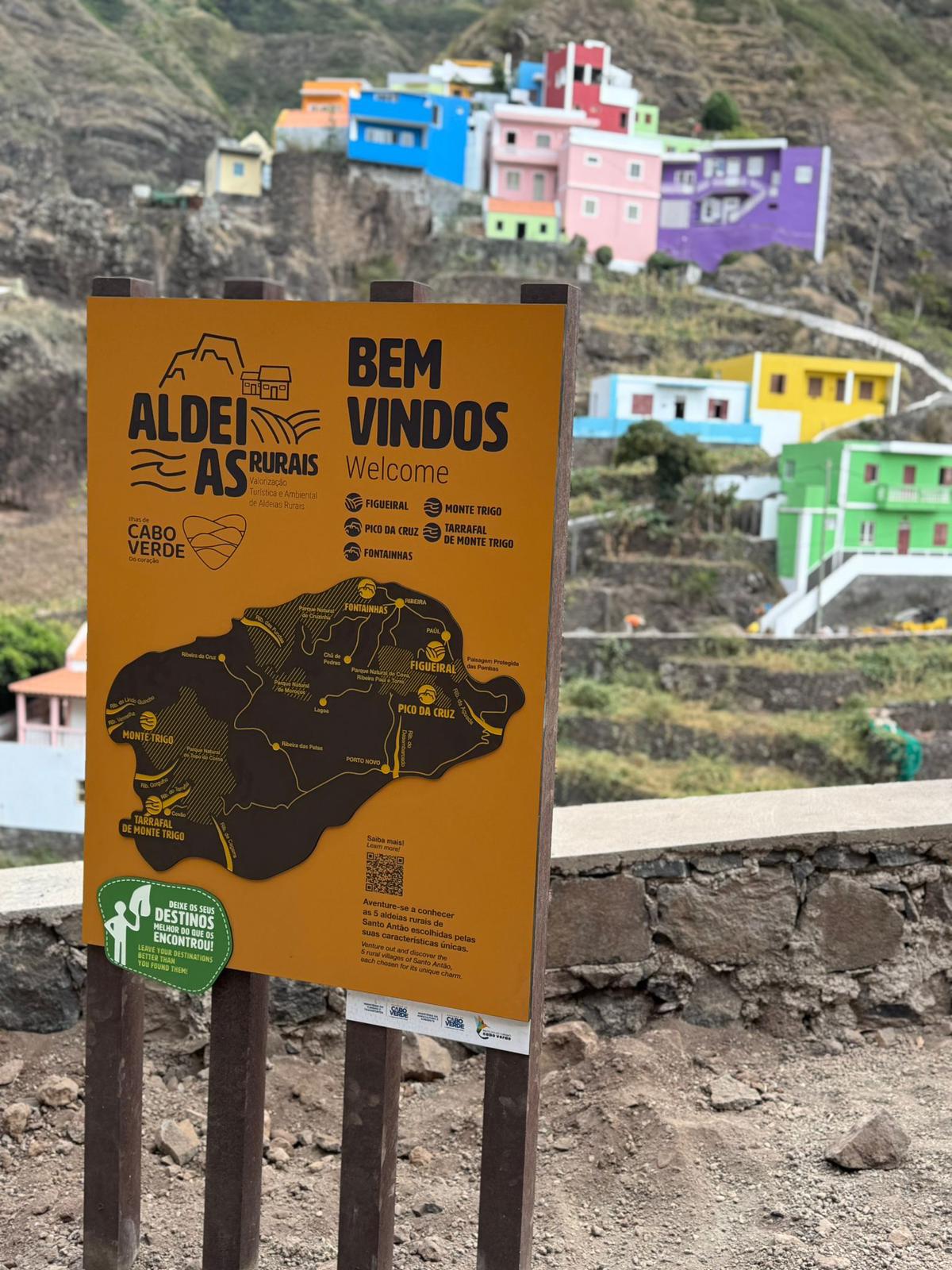
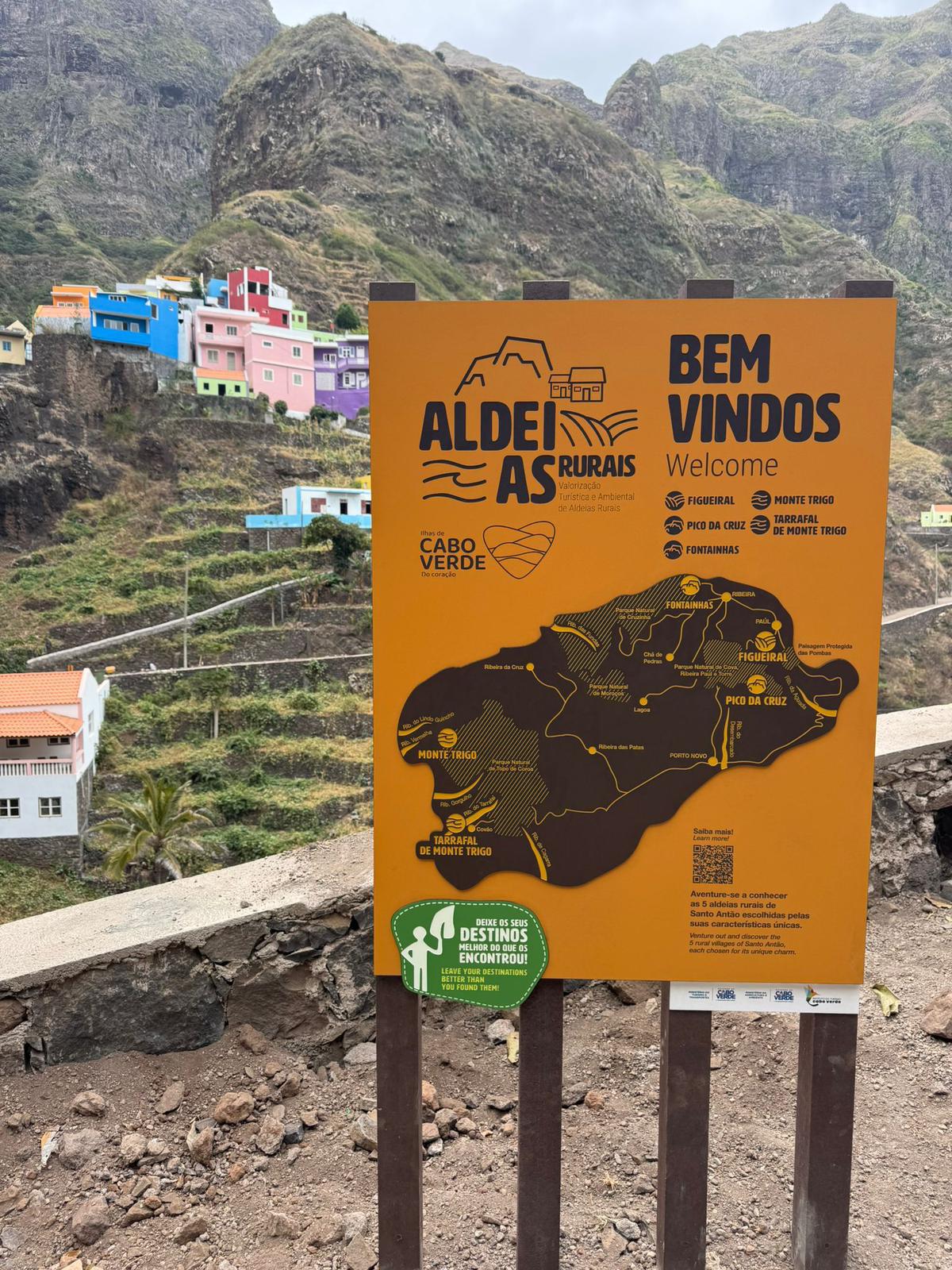
The work included field surveys, identification of tourist points of interest, definition of interpretive content, graphic and technical design of the signs and development of associated digital solutions using QR codes. The village of Fontainhas, on the island of Santo Antão, was selected for the pilot project.
Impact
The initiative helped to improve the quality of the tourism experience in the rural villages, promoting a better interpretation of the territory and a greater appreciation of its natural, cultural and community heritage, and making rural territories more attractive.
Results
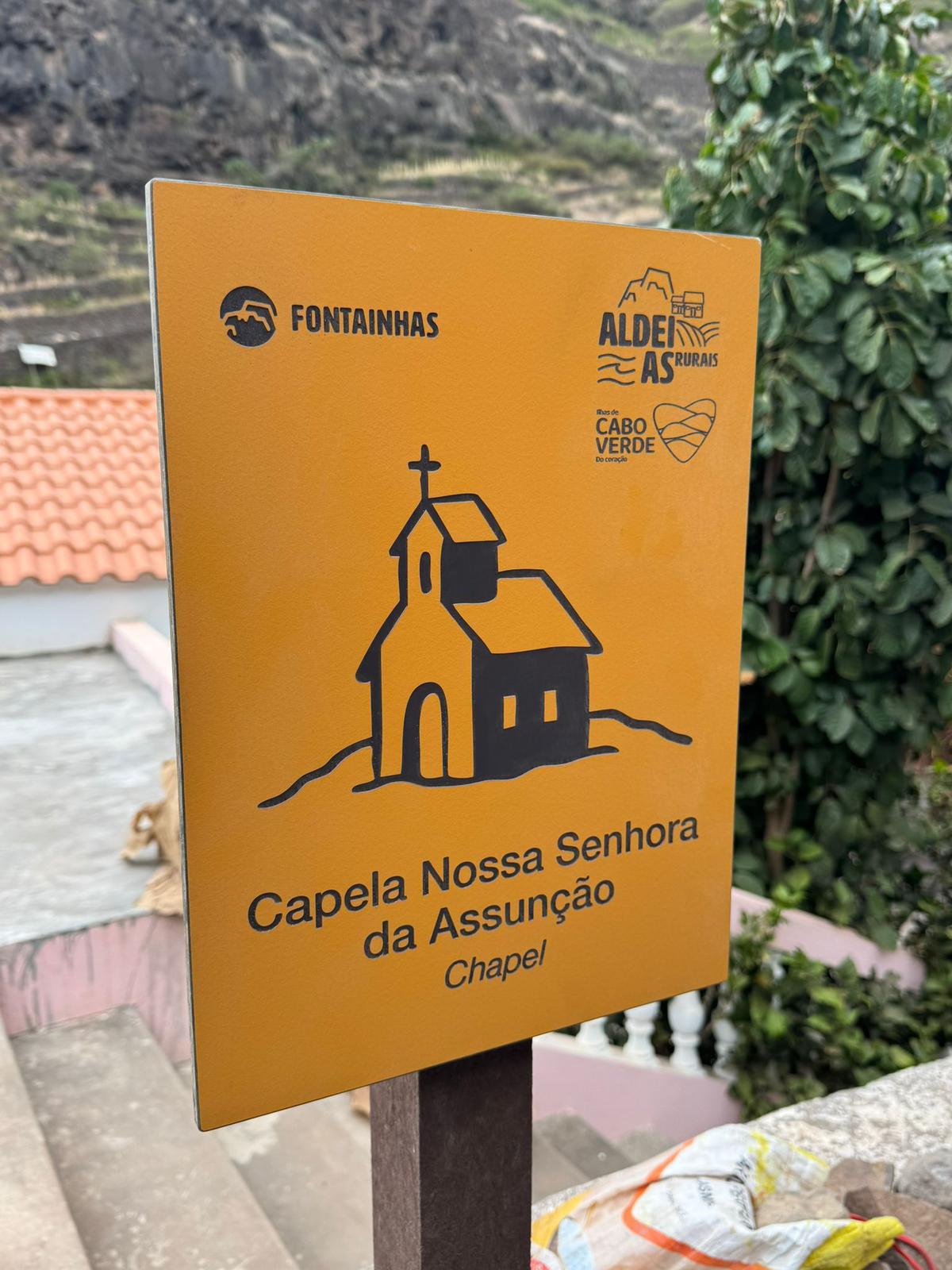
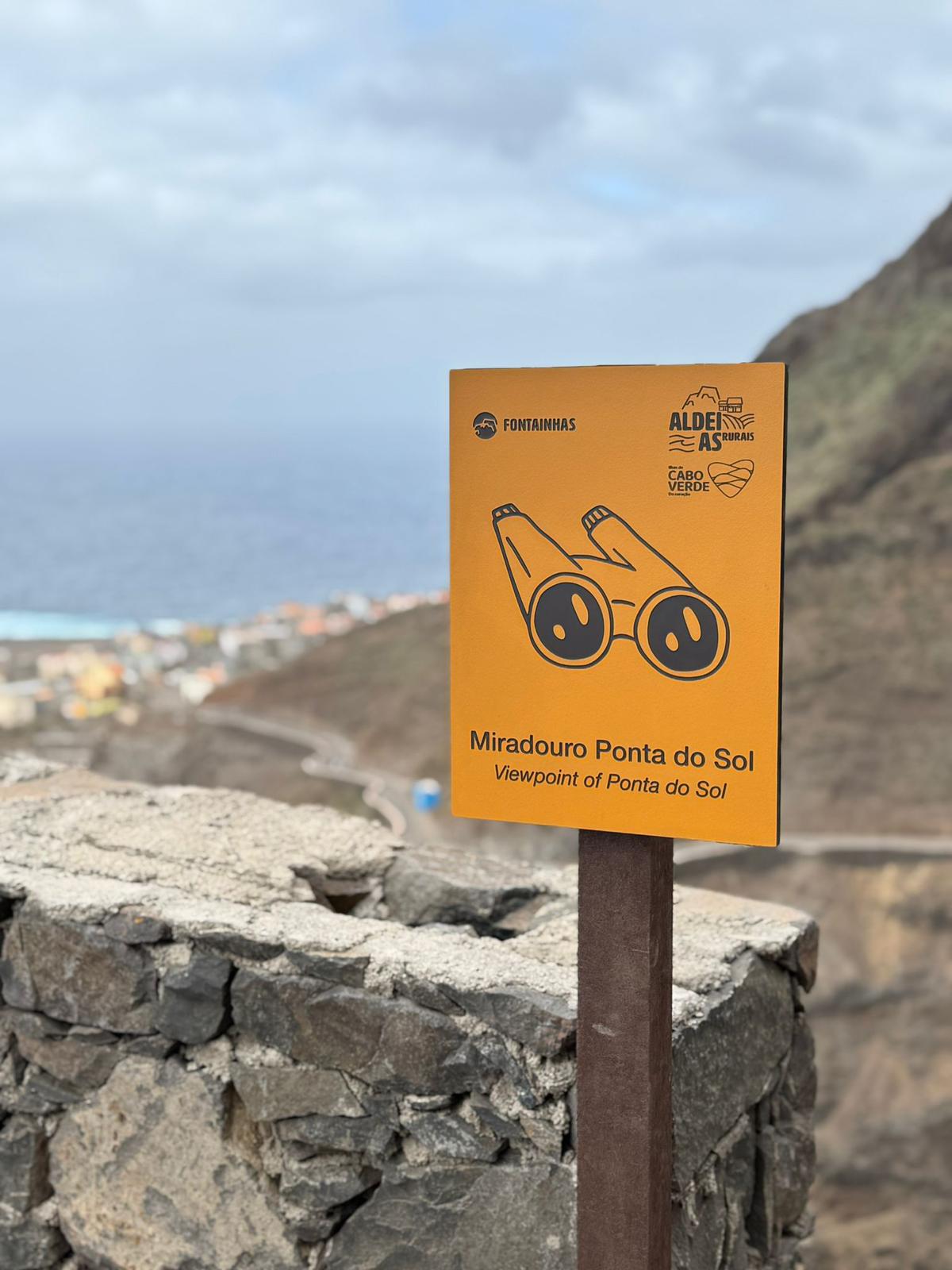
A sustainable tourist signage model was developed for the rural villages of Cabo Verde, combining interpretive, directional and informative signs made from sustainable materials and recycled raw materials.
The project included digital solutions for accessing information through QR codes, and a pilot project was implemented in the village of Fontainhas (Santo Antão), validating the concept and laying the foundations for its gradual replication in the other villages covered by the programme.
Gallery
Partners
Other Projects

Tourism and Environmental Enhancement of the Rural Villages of Cabo Verde
Part of a national strategy to enhance nature tourism and the rural heritage of the interior of the islands of Santiago, Maio, Fogo, Brava,…
Learn more arrow_forward
Environmental Education Centre – Santa Cruz
The Santa Cruz Environmental Education Centre project was developed to promote environmental awareness, education for sustainability and the enhancement of local natural resources, by…
Learn more arrow_forward
Ser Principense – Culture and Heritage
The Ser Principense – Art, Culture and Heritage, Past, Present and Future project was developed in the Autonomous Region of Príncipe to value, preserve…
Learn more arrow_forward